Call (609) 380-7129 for an Eviction Cleanout Quote
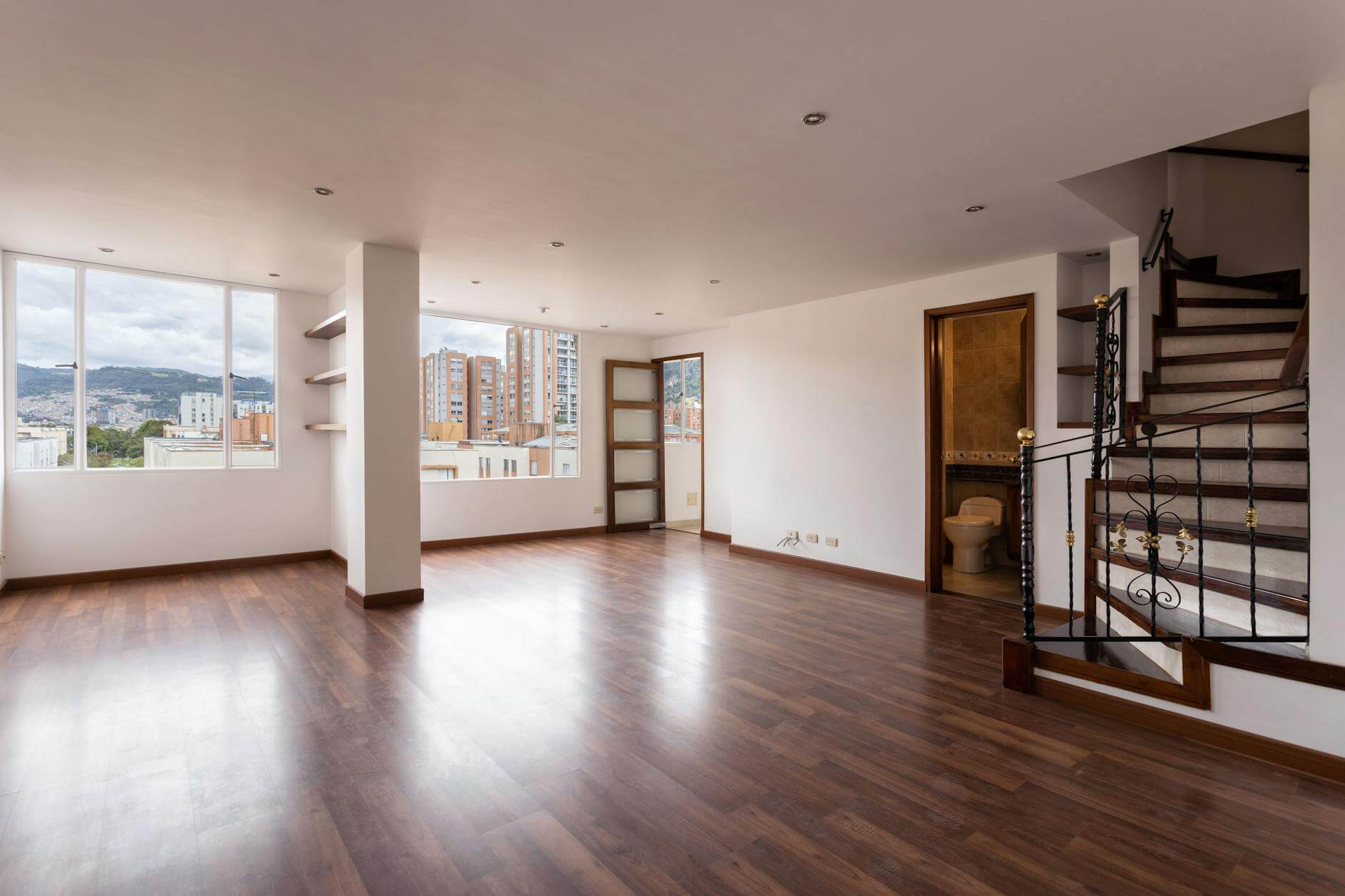
The eviction cleanout nj abandoned property law question is the one that costs landlords the most money when they get it wrong. NJ has specific rules about what a landlord can dispose of, what has to be held, for how long, and after what notice. The unit being empty does not mean the contents inside it are abandoned. Disposing of a former tenant’s property without following the statute creates a small-claims case the landlord almost always loses. We see this go wrong in Toms River, Lakewood, and Brick rental properties weekly. Here is the procedural map every Ocean County landlord and property manager should know before authorizing a turnover cleanup.
NJ’s Abandoned Tenant Property Statute
The controlling law is N.J.S.A. 2A:18-72 through 2A:18-84, sometimes called the Abandoned Tenant Property Act. It applies once a tenant has vacated either through eviction (warrant of removal executed) or voluntary abandonment. The statute requires the landlord to:
- Send written notice to the tenant at the rental address and any known forwarding address, describing the property left behind and stating that the tenant has 30 days to claim it.
- Hold the property in a safe place during that 30-day window.
- Charge reasonable storage costs to the tenant if recovery is attempted.
- After 30 days, if the tenant has not claimed the property, the landlord may dispose of it. Items of value may have to be sold and the proceeds (after storage and disposal costs) held for the tenant or eventually escheated to the state.
This is the long version. The short version: do not throw it out the day after the warrant is executed. There is a process, and the process is not optional.
What Counts as “Property” Under the Statute
The statute applies to personal property left behind. Some categories matter more than others:
- Furniture, clothes, electronics, kitchenware. Standard tenant possessions. Subject to the 30-day hold.
- Documents, photos, mail. Personal documents are personal property. The statute applies.
- Pets. Live animals are not personal property and are not subject to the disposal statute. Animal control or a humane society handles them. NJ has its own rules about abandoned animals.
- Trash and obvious garbage. Items of no apparent value (open garbage bags, half-eaten food, broken items) may be disposed of without the 30-day hold per case law interpretation, but landlords should still document with photos before disposal.
- Vehicles. A vehicle left on the property is governed by separate motor-vehicle abandonment rules. The Title-21 vehicle process is different and longer.
The line between “trash” and “personal property the tenant might want” is exactly where small-claims cases get litigated. Photo documentation is the only protection.
What an Eviction Cleanout NJ Abandoned Property Law Workflow Actually Includes
The way we run a turnover cleanup that respects the statute:
- Photograph everything before any item is touched. Time-stamped, room-by-room. This is the as-found record the court will see if the case ever goes to small claims.
- Sort into three streams. Obvious trash and garbage (with photos). Items that have apparent value (furniture, electronics, clothes, paperwork, anything the tenant might claim). Items the lease or court order specifies the landlord may dispose of immediately.
- Inventory the held items. Photo plus written description of each item or category. This is what goes into the 30-day notice to the tenant.
- Move held items to storage. Either an on-site storage unit, a portable container, or a third-party storage facility. Climate-controlled if the storage is long term.
- Landlord sends 30-day notice. The landlord sends, not the cleanout vendor. Typically certified mail to the rental address and any known forwarding address. The notice describes the property and gives the tenant the 30-day window to claim.
- After 30 days, dispose or sell. Items of value may need to be sold. Items below the threshold can be disposed. Storage and disposal costs documented for the security-deposit accounting.
Where Landlords Get Sued
Three patterns we see in small-claims complaints we have given depositions in or have heard about from clients:
- Same-day disposal. Landlord pays the cleanout crew on the day of the warrant execution. Tenant later claims a baby photo, a wedding ring, or a passport was in the unit. Without documentation, the landlord usually loses.
- No 30-day notice. Landlord held the items but disposed before 30 days, or never sent notice. Tenant produces text messages from the landlord saying “your stuff is gone.” Statutory violation.
- Disposed valuable items as trash. Landlord characterized everything as garbage. Tenant produces purchase records or photos showing items of clear value. Court rules in favor of the tenant on the items it can identify. (Hoarder-volume tenant turnovers add complexity; cost ranges are on the hoarder cleanup cost post.)
Each of these is preventable with documentation and a 30-day hold. The cleanup vendor cannot send the notice for the landlord (the landlord is the proper sender), but the vendor can produce the photo record, the inventory, and the manifest.
The Lease Sometimes Modifies the Default
Leases can include language that the tenant has waived the 30-day hold for items left behind. Some leases include a “deemed abandoned” provision that takes effect after a certain period of non-occupancy. NJ courts have enforced some of these provisions and rejected others. The landlord’s attorney should review the lease before the cleanup. We follow what the attorney instructs. We do not interpret the lease ourselves.
Court-Supervised Eviction Cleanouts
If the eviction was contested or if there is a related court order specifying how the contents are to be handled, the order controls. Some judges order the contents to be inventoried and held in court-managed storage. Some allow the landlord to dispose immediately if specific conditions were met during the proceeding. Read the order. Eviction cleanout details. For the broader court-ordered context (APS, municipal citation, guardianship), see the court-ordered cleanup post.
Get an Eviction Cleanout Quote
Send the warrant date, the unit details, the lease language about abandoned property if you have it, and the move-in date for the next tenant. Same-day price band by phone. Documentation packet built for a small-claims defense if it ever comes to that.
Or call (609) 380-7129 directly
This article is general information about NJ landlord-tenant practice, not legal advice. Consult a licensed New Jersey landlord-tenant attorney for your specific situation. Related: eviction cleanouts service page, foreclosure cleanouts, hoarder cleanup.
Related read: how pre-sale trash-out differs from post-sale REO foreclosure cleanout in Ocean County.